
Uniswap Wins Rug Pull Lawsuit: A Defining Moment for DeFi Liability
Decentralization has always raised a difficult legal question: if no one controls the system, who is responsible when things go wrong? A U.S. court has now delivered one of the clearest answers yet — ruling that Uniswap is not liable for alleged “rug pull” tokens traded via its protocol.
The decision marks a pivotal moment for decentralized finance (DeFi), potentially reshaping how courts interpret liability in permissionless systems. For years, regulators and litigators have grappled with whether developers of decentralized protocols should be treated like traditional intermediaries. This ruling suggests a meaningful distinction.
For the crypto industry, this is more than a courtroom headline — it is a structural clarification.
Understanding the Case: Platform vs Protocol
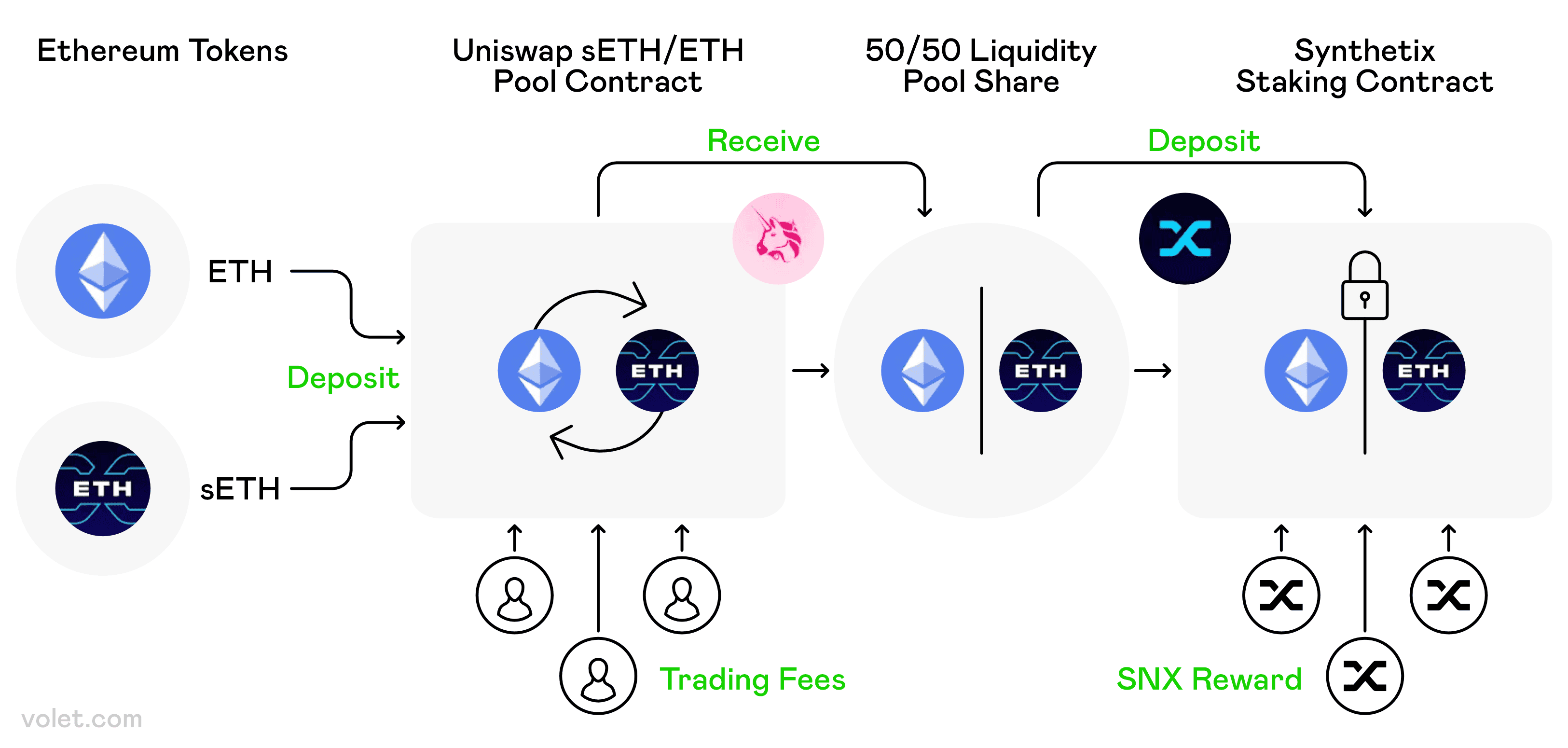
The lawsuit centered on losses tied to alleged scam tokens — commonly known as “rug pulls” — that were traded using the Uniswap protocol. Plaintiffs argued that because these tokens were accessible via Uniswap’s interface, the protocol bore responsibility.
The court disagreed.
The key legal distinction appears to hinge on architecture:
- Uniswap operates via autonomous smart contracts on Ethereum.
- Token creation is permissionless.
- Liquidity pools are user-generated.
- No centralized listing authority approves assets.
In traditional finance, exchanges vet listings. In decentralized finance, protocols simply execute code.
This difference is foundational.
Why the Ruling Matters for DeFi
Ethereum underpins much of the DeFi ecosystem, including Uniswap. If protocol developers were held liable for every third-party token deployed on-chain, the implications would be severe.
Potential consequences avoided by this ruling include:
- Chilling innovation among smart contract developers
- Increased legal exposure for open-source contributors
- Pressure to centralize listing controls
- Reduced permissionless experimentation
Instead, the court appears to recognize that decentralized protocols function more like neutral infrastructure than curated marketplaces.
This legal framing is critical for the future of DeFi.
Infrastructure Neutrality: A Legal Turning Point?

The concept emerging here is what I would describe as “infrastructure neutrality.” If a protocol simply executes code without discretionary control over user-generated assets, its liability profile may differ significantly from centralized intermediaries.
That distinction could shape:
- Future DeFi litigation
- Regulatory classification debates
- SEC enforcement strategy
- Open-source development models
Of course, this does not eliminate legal risk entirely. Front-end operators, governance participants, or token issuers themselves may still face scrutiny depending on involvement.
But the ruling suggests courts are beginning to understand technical architecture — not just financial outcomes.
As I often write in my regulatory analysis:
“Law eventually adapts to code — but only after it understands the difference between a tool and a decision-maker.”
This case reflects that evolution.
Market Impact: Confidence Boost for DEX Ecosystem
From a market perspective, the ruling strengthens confidence in decentralized exchanges (DEXs). If core protocol developers are shielded from blanket liability for third-party token misconduct, innovation in automated market makers (AMMs) can continue without existential legal overhang.
That is particularly important as DeFi competes with centralized exchanges (CEXs), which face increasing regulatory scrutiny globally.
The ruling may also:
- Encourage venture funding into DeFi infrastructure
- Reduce perceived systemic legal risk
- Support broader AMM adoption
- Reinforce Ethereum’s DeFi dominance
However, this should not be interpreted as regulatory immunity. Authorities remain focused on consumer protection, disclosure standards, and fraud prevention.
What This Means for Investors
For traders and investors, the takeaway is twofold.
First, decentralized protocols may not automatically bear liability for scam tokens deployed on permissionless networks.
Second, user responsibility remains paramount. DeFi, by design, minimizes intermediaries — which means due diligence cannot be outsourced.
Rug pulls remain a market risk. The difference is that courts may now treat the protocol as neutral infrastructure rather than a traditional exchange operator.
The Broader Regulatory Landscape
The crypto industry is entering a phase where legal clarity is emerging incrementally through case law rather than sweeping legislation.
This Uniswap decision does not end the debate over DeFi regulation. But it establishes an important reference point:
- Code-based execution differs from discretionary control.
- Open infrastructure differs from centralized curation.
- Permissionless access differs from endorsement.
For decentralized finance, that recognition could prove transformative.
The industry has long argued that DeFi protocols are tools, not gatekeepers. A U.S. court has now taken a significant step toward affirming that distinction.
And in crypto’s ongoing negotiation between innovation and regulation, that is no small development.